
01

Shaping National Education Standards

We bring together national expertise to strengthen and align medical education standards across Canada.

Area of Impact 1—

Shaping National Education Standards

Jump to…

From Collaboration to National Progress 

Fostering a Safer Academic Medicine Community 

Advancing Anti-Racism from Commitment to Action

Accelerating Action on Planetary Health

Advancing Reconciliation through Collective Action

Earning International Recognition for Social Accountability 

Expanding Access to Open Medical Education

From Collaboration to National Progress

AFMC’s four Standing Committees, supported by 34 Committees, bring together representatives from Canada’s 19 medical schools, learners, and partners to address shared challenges and advance national priorities across our three strategic pillars: medical education, research and social accountability.  

This year, their collective expertise led to stronger coordination and new opportunities for collaboration within the academic medicine community. 

standing committees

0

committees and networks

0
Education
  • Developed national guidelines for visiting electives to promote consistent timelines, transparency, and equitable access for all learners. 
  • Partnered with CaRMS on future match timelines and workforce data to support residency planning, learning mobility and alignment with areas of workforce need. 
  • Advanced work on accreditation harmonization, artificial intelligence and distributed learning. 
  • Supported the revision of the CanMEDS Framework to reflect evolving priorities in medical education and practice. 
  • Strengthened national coordination on physician wellbeing through shared governance, common metrics and the development of a leadership curriculum. 
  • Launched five new AFMC committees focused on accessibility, patient partnership, physician assistant education, learner assessment and professionalism. 
  • Updated the National Transfer Guidelines to streamline the resident transfers and protect learner confidentiality. 
Social Accountability
  • Engaged trainees and collaborators at ICAM 2026 to inform the development of a national Black health digital platform connecting research, clinical practice and community engagement. 
  • Hosted the Ambassadocteur workshop at ICAM 2026 to strengthen French-language clinical communication and support learners in minority-language settings. 
  • Delivered the Anti-Racism Praxis Workshop series to the Admissions Committee at ICAM 2026, building institutional capacity for anti-racist approaches in medical school admissions. 
  • Developed the inclusive meeting guides for committees to support respectful and inclusive committee environments. 
  • Hosted a joint AFMC Board and CACMS workshop at ICAM 2026 to explore how social accountability can be further integrated in medical school accreditation. 
Research
  • Renewed AFMC’s formal partnership with Gairdner Foundation to expand opportunities for emerging researchers. 
  • Convened senior Tri-Agency leaders at ICAM 2026 to advance dialogue on emerging health research priorities. 
  • Connected learners directly with Tri-Agency funders at ICAM 2026, bringing learner perspectives into national research discussions. 
  • Identified priority research areas across faculties of medicine to inform AFMC’s national advocacy and policy engagement strategy. 
  • Fostered research collaboration and knowledge-sharing through enhanced research programming at ICAM 2026. 

Fostering a Safer Academic Medicine Community

Creating environments where people feel physically, psychologically and culturally safe is fundamental to the future of health care. The AFMC Culture of Academic Medicine Initiative: Towards Improved Provider Safety (CAMI-TIPS) is helping drive change by bringing together faculties of medicine, learners, patient partners and equity-deserving groups to advance wellbeing in academic medicine. 

This year, CAMI-TIPS reached a major milestone with the development of the Okanagan Charter Implementation Toolkit, giving faculties practical resources to embed health promotion and wellbeing in institutional policies and programs. The initiative also engaged more than 200 participants through the accredited Wellbeing Matters series and the CAMI Wellbeing Summit at ICAM 2026, equipping them with actionable strategies to foster healthier, safer and more inclusive learning and working environments. 

CAMI-TIPS is made possible thanks to the financial support of the Canadian Medical Association, MD Financial Management Inc. and Scotiabank. 

Advancing Anti-Racism from Commitment to Action

Building on the National Anti-Racism Commitment approved in 2025, AFMC brought together leaders in EDI, anti-racism, Indigenous health, Black health and francophone minority health to develop a National Anti-Racism Action Plan. 

The Action Plan provides a shared roadmap for moving from commitment to coordinated action across Canada’s faculties of medicine, with a focus on advancing equity, strengthening accountability and supporting institutional change. 

Implementation resources and tools are also being developed to help faculties translate those commitments into measurable progress. 

Accelerating Action on Planetary Health

As climate change places growing pressure on health systems, preparing future physicians to respond to its health impacts is increasingly important. 

One year after its launch, the AFMC Roadmap for Planetary Health and Sustainable Health Systems is helping faculties integrate planetary health into education, leadership and institutional practice, contributing to the creation of dedicated leadership roles and stronger senior-leader engagement. 

The roadmap also gained international visibility through presentations at the Planetary Health Annual Meeting in Rotterdam and the International Forum on Quality & Safety in Healthcare in Oslo, where it was elevated from a poster to a World Café session. In Canada, AFMC advanced collaboration by endorsing the National Planetary Health Day of Action and supporting the Pan-Canadian Climate and Health Conference. 
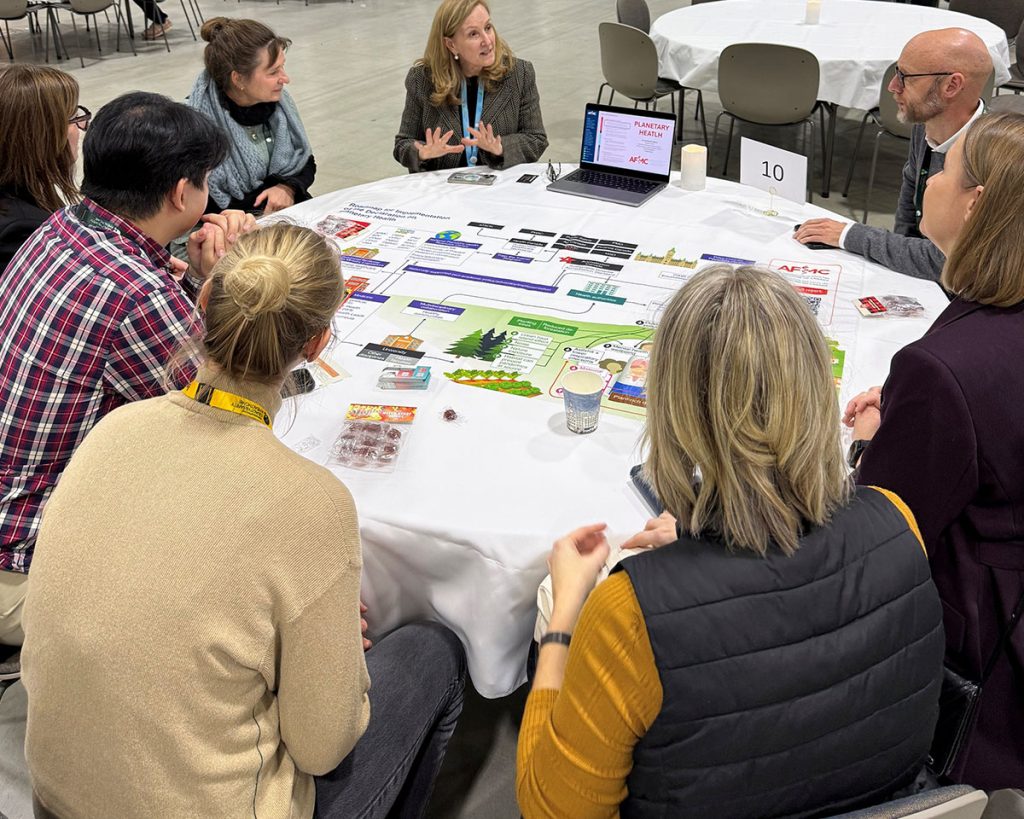
Image title/caption/source

Advancing Reconciliation through Collective Action

In February 2026, AFMC joined partners of the National Circle for Indigenous Medical Education (NCIME) in signing a Declaration of Shared Purpose and Commitment, reaffirming a collective responsibility to foster learning and working environments where Indigenous Peoples are welcomed, supported and empowered. 

AFMC also advanced this work through the Board-endorsed Land Acknowledgement Toolkit. Developed with guidance from the Indigenous Health Committee, the toolkit encourages committees to connect land acknowledgements with reflection, responsibility and action, moving beyond symbolic recognition toward greater accountability, cultural safety and reconciliation. 
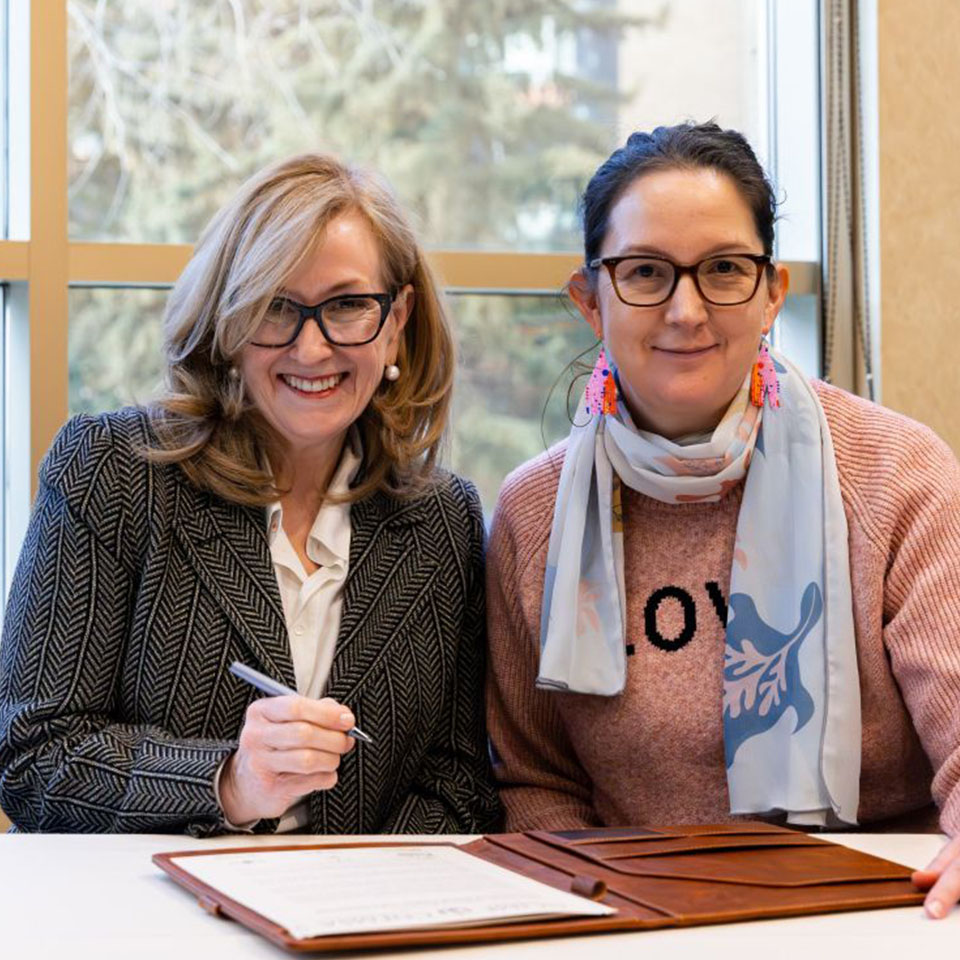
Image title/caption/source

Earning International Recognition for Social Accountability

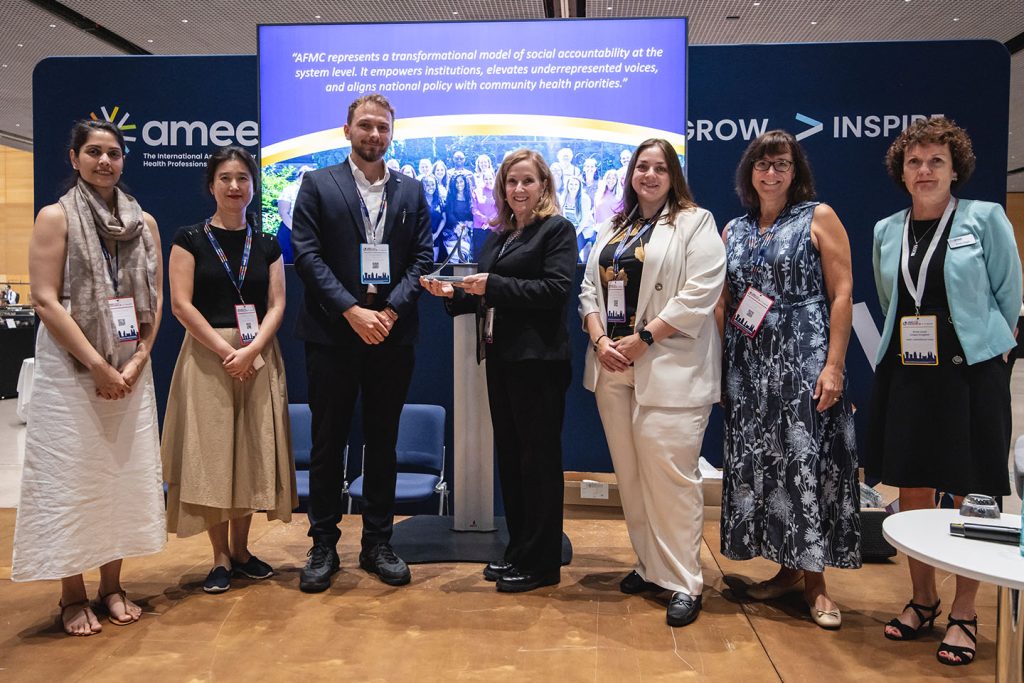
AFMC’s leadership in social accountability received international recognition with the ASPIRE-to-Excellence Award in Social Accountability from the Association for Medical Education in Europe (AMEE). 

The award recognizes AFMC’s sustained efforts to embed social accountability across academic medicine and reflects the contributions of our volunteers who advance this work through AFMC committees and initiatives. 

Image title/caption/source

Expanding Access to Open Medical Education

AFMC has partnered with ScholarRx to expand access to high-quality, shareable educational resources across Canada’s 19 faculties of medicine. The bilingual platform enables educators and learners to create, adapt and exchange learning resources, reducing duplication and connecting Canadian expertise with a global community of practice.  

A message from our CEO

—

A message
from our CEO

Supporting Learners

02

Supporting
Learners